Signs Your Sidewalks, Driveways, or Patios Need Resurfacing
Signs your sidewalks, driveways, or patios need resurfacing often include cracks, uneven surfaces, or visible wear, and experienced local service providers can restore their safety and appearance.
Noticing signs your sidewalks, driveways, or patios are showing wear can be an important step in maintaining the safety and appearance of a property. Cracks that widen over time, uneven surfaces, or areas where the material begins to chip or crumble may indicate that resurfacing is needed. Addressing these issues early can help prevent further deterioration, reduce potential hazards, and preserve the overall value of the property. Local contractors who specialize in sidewalk, driveway, and patio resurfacing can assess these signs and recommend appropriate solutions to restore surface integrity.
For property owners in the area, understanding when to consider resurfacing can save money and effort in the long run. Surfaces that have become stained, faded, or exhibit persistent cracking often benefit from professional resurfacing services. This process can refresh the look of outdoor spaces and extend their lifespan. By recognizing these common signs, property owners can connect with experienced service providers who can help determine the best course of action to keep outdoor surfaces safe, functional, and visually appealing. Keep reading to learn more about how to identify when resurfacing is a practical choice.
- Sidewalk resurfacing may be needed when cracks or uneven surfaces develop, and local contractors can restore safety and appearance efficiently.
- Driveway resurfacing is often required when potholes, stains, or surface deterioration appear, with service providers offering durable solutions.
- Patio resurfacing becomes necessary when fading, cracking, or surface wear occurs, and local pros can refresh outdoor spaces to enhance curb appeal.
- Signs your sidewalks, driveways, or patios need resurfacing include visible cracks, surface spalling, or significant staining, prompting local specialists to assess and repair.
- Resurfacing services are suitable for areas with recurring damage or surface erosion, with local contractors providing options to extend the lifespan of these surfaces.
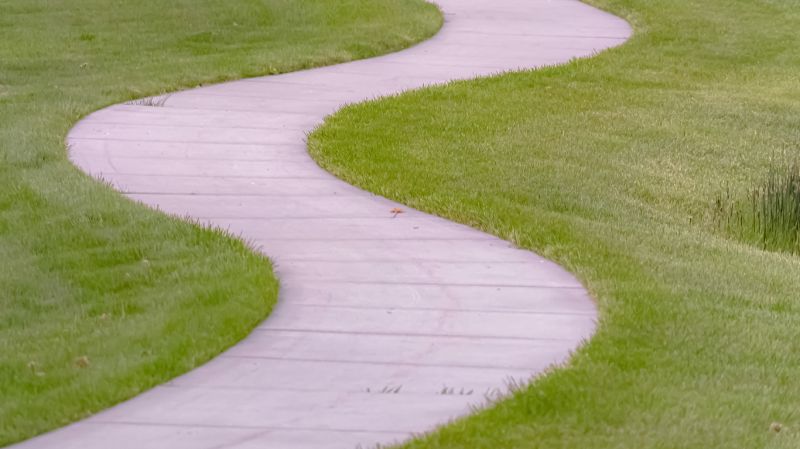
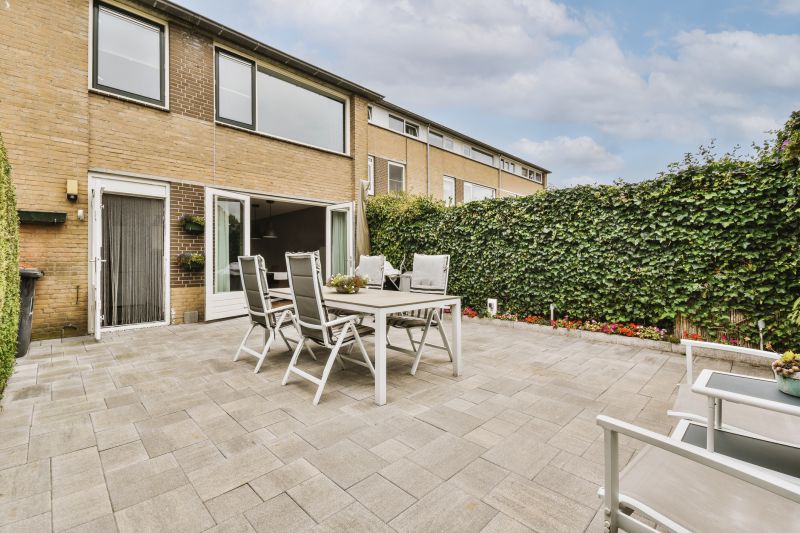
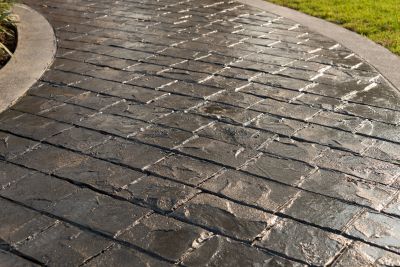
When homeowners search for signs their sidewalks, driveways, or patios need resurfacing, they are typically looking for clear indicators that the existing concrete or paving materials are deteriorating and may require professional attention. Commonly, this includes visible cracks, uneven surfaces, or areas where the surface has begun to spall or flake away. These signs often point to underlying issues such as ground shifting, freeze-thaw cycles, or general wear and tear over time. Recognizing these visual cues helps property owners determine whether a simple repair or a full resurfacing is necessary to restore safety, appearance, and functionality.
The problems associated with aging or damaged outdoor surfaces often relate to safety concerns, aesthetic appeal, and property value. Cracks and uneven patches can pose tripping hazards, especially in high-traffic areas like walkways and patios. Additionally, surface deterioration can lead to water pooling or infiltration, which may accelerate further damage or cause underlying soil erosion. For property owners planning renovations or upgrades, understanding these issues can also influence decisions about resurfacing as part of broader landscaping or property improvement projects. Local service providers who specialize in sidewalk, driveway, or patio resurfacing can assess these signs and recommend appropriate solutions to address both safety and visual appeal.
The types of properties that typically encounter these issues include residential homes, especially those with older construction, as well as commercial or public spaces with heavy foot or vehicle traffic. Residential properties often see signs of wear on driveways and patios due to frequent use and exposure to weather elements. Commercial properties, such as storefronts or apartment complexes, may experience more rapid deterioration because of higher traffic volumes. Public spaces like parks or community walkways are also prone to surface damage from constant use and environmental factors. For property owners, understanding the specific signs of surface failure helps in planning timely repairs or resurfacing projects to maintain property value and safety.
Local contractors who offer sidewalk, driveway, or patio resurfacing services play a key role in addressing these issues. They evaluate the condition of existing surfaces, identify underlying causes of damage, and recommend suitable resurfacing options that can extend the life of the concrete or paving. Resurfacing can involve applying a new layer of material over the existing surface to repair cracks, smooth out uneven areas, and improve overall appearance. For property owners, working with experienced local pros ensures that the project is completed with attention to durability and aesthetics, helping to restore outdoor spaces and prevent further damage. Recognizing the signs that resurfacing is needed is the first step toward maintaining a safe and attractive property.
Concrete Repair and Resurfacing - Professionals specializing in concrete repair can address cracks, spalling, and uneven surfaces similar to those found on sidewalks, driveways, and patios needing resurfacing.
Stamped Concrete Projects - Stamped concrete work involves surface preparation and finishing techniques that are relevant for enhancing and restoring existing concrete surfaces like patios and walkways.
Patio Installation and Restoration - Local contractors experienced in patio installation often handle resurfacing tasks to refresh worn or damaged outdoor living spaces.
Driveway Paving and Resurfacing - Paving specialists who work on driveways are familiar with surface leveling, crack repair, and overlay methods comparable to sidewalk and patio resurfacing.
Concrete Overlay Services - Overlay projects require surface preparation and application skills that are directly applicable to resurfacing existing concrete surfaces such as sidewalks and patios.
Stone and Paver Installation - Installing stone or paver surfaces involves planning and surface preparation skills that can be useful for restoring or upgrading concrete areas like driveways and patios.
When evaluating contractors for sidewalk, driveway, or patio resurfacing, experience with similar projects is a key factor to consider. Service providers who have a proven track record of handling resurfacing jobs comparable in scope and material can offer insights into what to expect and help ensure the work aligns with the specific needs of the property. Homeowners should look for local contractors who can demonstrate familiarity with the types of signs indicating resurfacing might be necessary, such as cracking, uneven surfaces, or surface deterioration, and who can provide examples of past work that showcase their expertise in addressing these issues effectively.
Clear communication and well-defined expectations are essential when selecting a resurfacing service provider. Reputable local contractors should be able to explain their process, materials used, and the scope of work in straightforward terms, helping homeowners understand what the project entails. Establishing open lines of communication early on can prevent misunderstandings and ensure that all parties are aligned on project goals. Additionally, discussing the timeline, potential challenges, and the desired outcome can contribute to a smoother experience and a result that meets the homeowner’s needs.
Finally, obtaining reputable references and verifying the credibility of service providers can provide added confidence in the choice of contractor. Homeowners may seek recommendations from previous clients or look for reviews that highlight the contractor’s professionalism, reliability, and quality of work. Good communication skills and transparency often go hand-in-hand with a contractor’s reputation, making it easier to gauge whether they are attentive to detail and responsive to questions. By carefully considering these factors-experience with similar projects, clear expectations, and reputable references-homeowners can better identify local service providers capable of delivering durable, high-quality resurfacing solutions for their sidewalks, driveways, or patios.
Property owners often search for signs your sidewalks, driveways, or patios need resurfacing when they are planning practical projects around their homes and businesses. Local pros provide Sidewalk, Driveway, or Patio Resurfacing services for everyday jobs and straightforward project options.
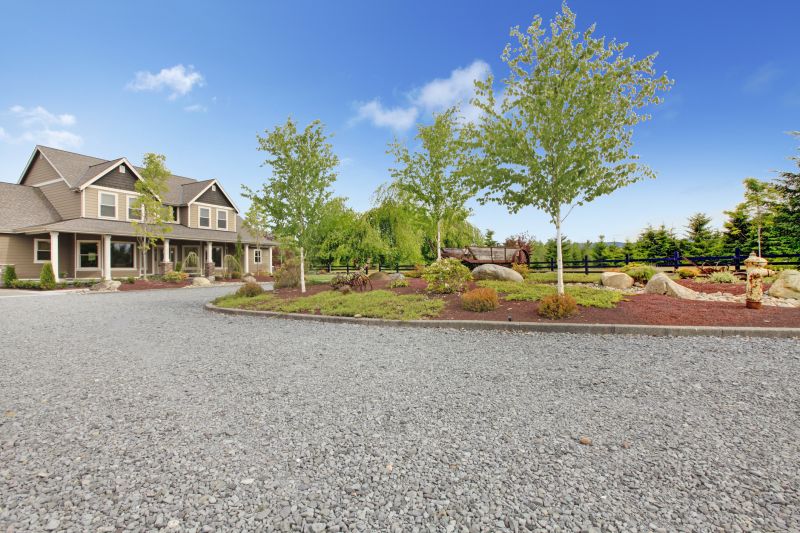
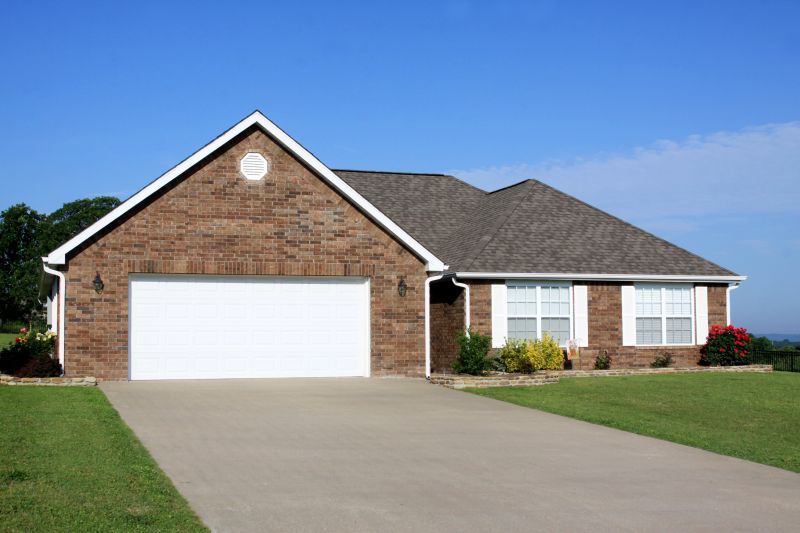
Property owners often notice cracks, uneven surfaces, or fading colors on their sidewalks, driveways, or patios, which can be clear signs that resurfacing might be needed. These issues not only impact the visual appeal of a property but can also pose safety concerns, especially if cracks become trip hazards or if surfaces become slippery due to weather exposure. When these signs appear, reaching out to local contractors who specialize in resurfacing can help restore the functionality and appearance of outdoor surfaces, preventing further deterioration and maintaining property value.
Other common indicators include surface pitting, widespread discoloration, or areas where the material has begun to break apart. These problems often result from regular wear and tear, weather conditions, or underlying structural shifts. Property owners experiencing these signs might consider consulting local service providers who offer resurfacing solutions to refresh and reinforce outdoor surfaces. Professional resurfacing can address these issues efficiently, helping to extend the lifespan of sidewalks, driveways, or patios and keep outdoor spaces safe and attractive.
What are common signs that sidewalks, driveways, or patios need resurfacing? Visible cracks, uneven surfaces, and significant wear or deterioration are typical indicators that these surfaces may require resurfacing services from local contractors.
How can I tell if my driveway or patio has structural damage? Structural damage often presents as large, deep cracks, sinking areas, or loose sections that can compromise safety and indicate the need for resurfacing by experienced service providers.
Are surface discoloration or staining signs of resurfacing needs? Yes, extensive discoloration, staining, or surface fading can signal underlying issues that resurfacing professionals can address to restore the appearance and integrity of the surface.
What role does surface texture play in determining if resurfacing is necessary? A rough, pitted, or uneven texture can be a sign that the surface is deteriorating and may benefit from resurfacing to improve safety and aesthetics.
When should I consider resurfacing instead of replacing my sidewalk, driveway, or patio? Resurfacing is typically recommended when surface damage is primarily superficial, such as cracks or minor wear, and the underlying structure remains sound, making it a suitable alternative to full replacement.
Cracks and Potholes - When cracks or potholes appear on sidewalks, driveways, or patios, local contractors can provide resurfacing solutions to restore a smooth surface.
Uneven Surfaces - Signs of shifting or uneven areas indicate that resurfacing can improve safety and appearance for walkways and outdoor living spaces.
Surface Wear and Fading - Faded or worn surfaces can benefit from resurfacing to refresh the look and extend the lifespan of patios and driveways.
Drainage Issues - Water pooling or poor drainage may require resurfacing to ensure proper runoff and prevent further damage to outdoor surfaces.
If you are thinking about signs your sidewalks, driveways, or patios need resurfacing for a property, this guide is meant to help you understand this topic, the typical project types, and how different options might fit your plans.
When you are ready, you can use the quote form on this page to share a few details about your project. From there, local pros can review the basics and follow up with options that match what you have in mind.